Google's August Demand Gen announcement combines generally available video-creation tools with more limited experiments in messaging and travel advertising. For a service business, the useful decision is whether you have a clear offer, suitable creative and a reliable follow-up process, not simply whether the platform can produce more video.
A conversation started from an ad still needs an owner. A polished video still needs a truthful claim and a relevant destination. New production tools can shorten part of the work without solving those underlying requirements.
Reviewed 20 September 2026. This guide analyses Google's 27 August announcement. It is not a hands-on benchmark, a forecast of your results or confirmation that every feature is available in South Africa.
What did Google actually announce?
The August Demand Gen Drop contains three distinct developments:
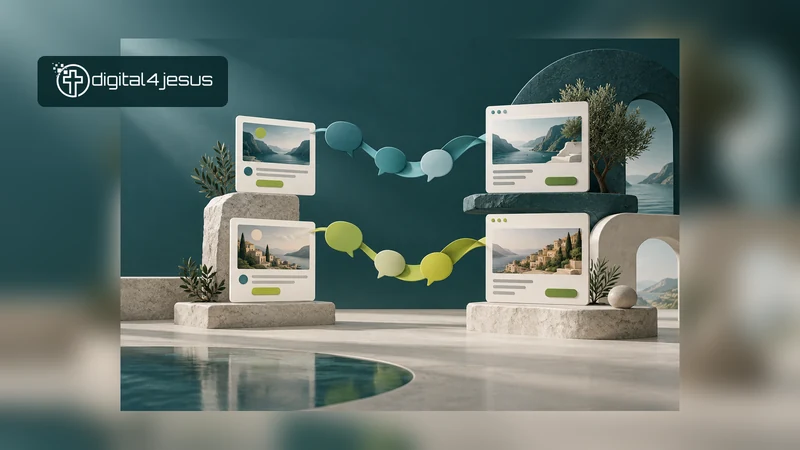
- Tests allowing viewers to start conversations with brands on messaging apps directly from Demand Gen ads on YouTube.
- More relevant travel advertising, including local activities, events, real-time offers and personalised hotel ads.
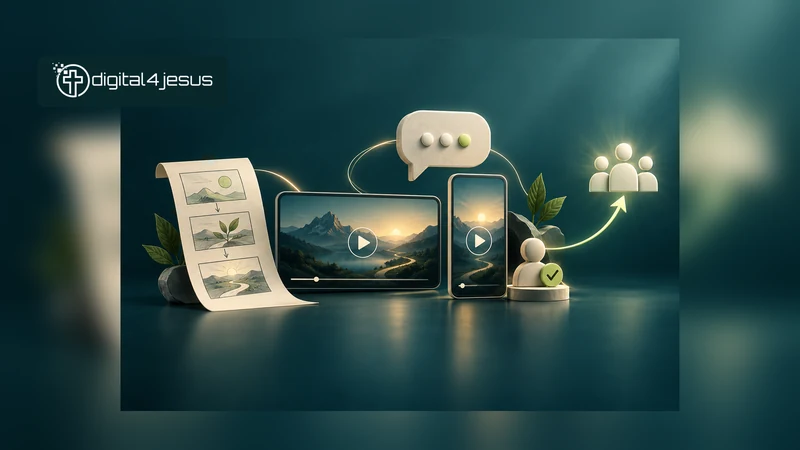
- General availability of Multimodal Video Creation in Asset Studio, connecting storyboarding with horizontal and vertical asset production.
The availability wording matters. A test is not a feature every advertiser can switch on. A capability relevant to hotels does not establish the same workflow for an unrelated professional service. Check the current account interface and official eligibility before designing a campaign around any of these options.
Google also reports a historical average performance improvement from its own Demand Gen experiments. That is vendor evidence about those experiments, not a promised improvement from your next campaign or from using the new creative tool.
Does Demand Gen fit the decision your customer is making?
Start with how much explanation the offer requires. A business buying an unfamiliar service may need to see the problem, the proposed approach and credible evidence before it is ready to enquire. Video can help explain that journey.
An urgent customer already searching for a specific repair may have a different need. Do not replace an effective intent-capture campaign with another format solely because the latter has new features. Decide what role each channel plays and how you will recognise useful progress.
For example, a training provider could show a short demonstration of the skill participants will practise, then link to course scope and an enquiry route. A misleading alternative would promise that one session guarantees a particular revenue result. This is an illustrative creative decision, not a client case study.
Our paid-marketing service treats the relationship between channel, offer, destination and measurement as part of the scope.
Prepare a creative brief before opening the generator
Write a compact brief containing the intended audience, problem, supported promise, evidence, desired action and destination. Include the claims that must not appear: unsupported prices, invented testimonials, guaranteed outcomes or services outside your scope.
Then plan a short sequence:
- Show the recognisable problem without exaggerating it.
- Explain one useful change or approach.
- Demonstrate or substantiate what can honestly be shown.
- Give the viewer a clear next step.
For each scene, identify whether the source is genuine photography, approved client material or a conceptual illustration. Generated artwork must not be passed off as footage of a real installation, customer result or team member.
Horizontal and vertical versions should be reviewed as separate compositions. Check whether captions, logos and important objects survive the crop, whether text remains readable on a phone and whether the story still works without sound. Producing two file sizes is not the same as producing two usable edits.
Messaging needs an operating plan
If a relevant messaging option is available, decide who receives the conversation, which hours are covered and how unresolved questions reach a person. Make sure the business can recognise the source without putting personal information in tracking URLs.
Define a useful first response. It should acknowledge the request, collect only necessary information and explain the next step. It should not present an automated greeting as evidence that the enquiry has been handled.
Also plan exceptions: a message outside operating hours, an unsupported location, an urgent request or a question the system cannot answer safely. If nobody owns those cases, directing more people into the inbox can magnify the problem.
The AI-readiness checklist is relevant if you are considering automated responses. A new advertising feature is not permission to give an assistant unrestricted access to customer records.
Measure the handover, not just the opening action
A video view, message start, completed enquiry and qualified opportunity are different events. Keep them separate. Choose the campaign's optimisation goal carefully and maintain a business definition of a qualified outcome.
Use an agreed test boundary: one offer, an explicit budget, known creative variants and a documented destination. Avoid adjusting every variable halfway through the test unless something is inaccurate, broken or unsafe.
Review the reasons enquiries fail to progress. Unclear pricing, the wrong service area and slow response require different fixes. More creative variants will not repair a form that loses submissions or an inbox nobody monitors.
A sensible starting point
Use the available video tools to improve a clearly defined campaign, not to create a campaign merely to use the tools. Confirm access, review every asset and test the destination before committing spend.
If you need help turning an offer into a usable brief or checking the enquiry handover, outline the audience, available evidence and follow-up capacity through the existing Discuss project form. Advertising spend, creative production and workflow changes should be agreed separately rather than assumed to be included.